Revealing the Risks: Why Every Homeowner Requirements a Bushfire Risk Assessment
Wiki Article
Ideal Practices in Bushfire Management for Comprehensive Fire Security
In the realm of bushfire monitoring, the quest for detailed fire defense demands a meticulous approach that includes numerous vital facets. From strenuous risk analysis and strategic preparation to the implementation of reliable vegetation administration approaches, the spectrum of best techniques is huge and elaborate. Area engagement and education and learning play critical roles in fostering strength and preparedness, while very early discovery and warning systems function as important safeguards. In addition, the smooth sychronisation of emergency response and evacuation plans is important for ensuring the safety and health of people despite rising bushfire threats. As we navigate through the nuances of these finest methods, an exploration right into the complex internet of approaches and techniques awaits, assuring a much deeper understanding of the diverse landscape of bushfire administration for comprehensive fire defense.Danger Evaluation and Planning
In bushfire administration for fire defense, the first action involves carrying out an extensive danger assessment and developing an extensive strategy to reduce prospective risks. Risk assessment is a critical process that involves identifying, examining, and assessing potential risks that could bring about a bushfire. This evaluation thinks about numerous aspects such as weather, topography, gas load, and human activities in the area. By comprehending these dangers, fire protection authorities can focus on locations that are most prone to bushfires and assign resources efficiently.Complying with the risk assessment, the following vital action is to develop a comprehensive plan to attend to the recognized dangers. This plan should outline approaches for prevention, readiness, action, and healing in case of a bushfire. It must likewise include procedures for neighborhood interaction, emptying, and communication procedures. By having a distinct plan in location, emergency situation solutions can act quickly and successfully to protect lives, building, and the atmosphere during a bushfire outbreak. Reliable danger evaluation and planning are essential parts of bushfire administration for ensuring extensive fire security.
Plants Management Approaches
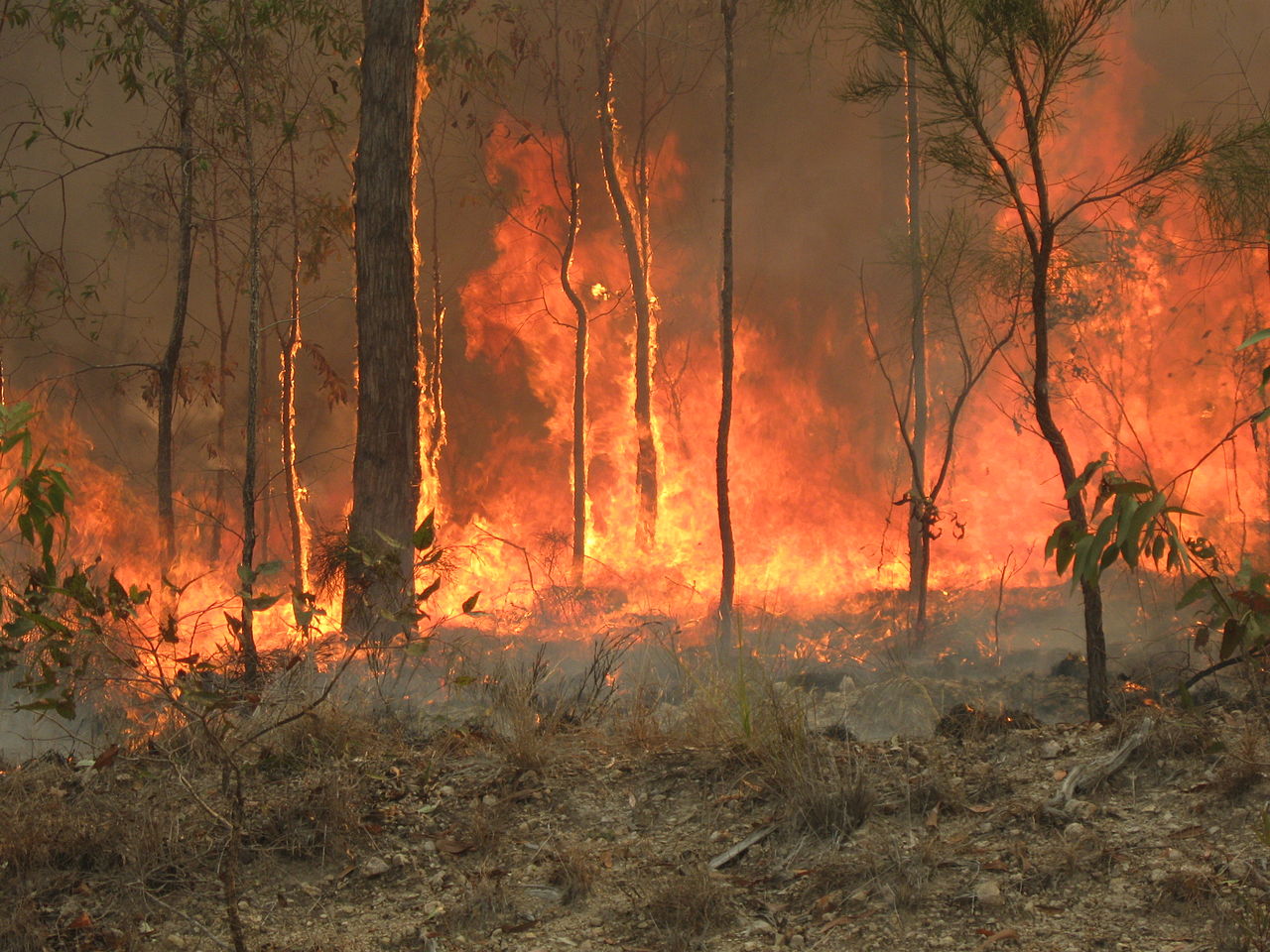
After conducting a complete threat evaluation and creating an extensive strategy for bushfire monitoring, the emphasis changes to carrying out efficient greenery management methods. Plants monitoring plays a crucial duty in reducing the intensity and spread of bushfires.Along with developing defensible space, suggested burning is an additional essential greenery monitoring technique. Recommended burns involve deliberately setting fires under regulated conditions to decrease the build-up of fuel, reduce the possibility of high-intensity wildfires, and advertise community wellness. By tactically shedding areas with excess plant life, gas degrees are decreased, making it harder for fires to spread out rapidly and uncontrollably.
Neighborhood Involvement and Education And Learning
Efficient community engagement and education and learning are vital components in building a proactive and durable method to bushfire management. By including neighborhood participants in the planning and implementation of bushfire monitoring techniques, stakeholders end up being energetic participants in guarding their areas and homes. Neighborhood interaction promotes a sense of common duty and empowers citizens to take possession of their security.Education plays a vital function in outfitting people with the expertise and abilities required to alleviate bushfire dangers properly. Supplying educational resources on fire prevention, emptying procedures, and the value of very early detection can significantly enhance neighborhood preparedness. Informing homeowners on the regional bushfire environment, consisting of fire behavior and danger aspects, allows them to make educated choices throughout high-risk circumstances.
Via continuous engagement and education and learning efforts, areas can develop a collective understanding of bushfire threats and job collaboratively to lessen the influence of wildfires. By fostering a society of preparedness and durability, neighborhood members can enhance their capability to respond successfully to bushfire emergency situations and shield both lives and residential or commercial property.
Very Early Detection and Caution Systems
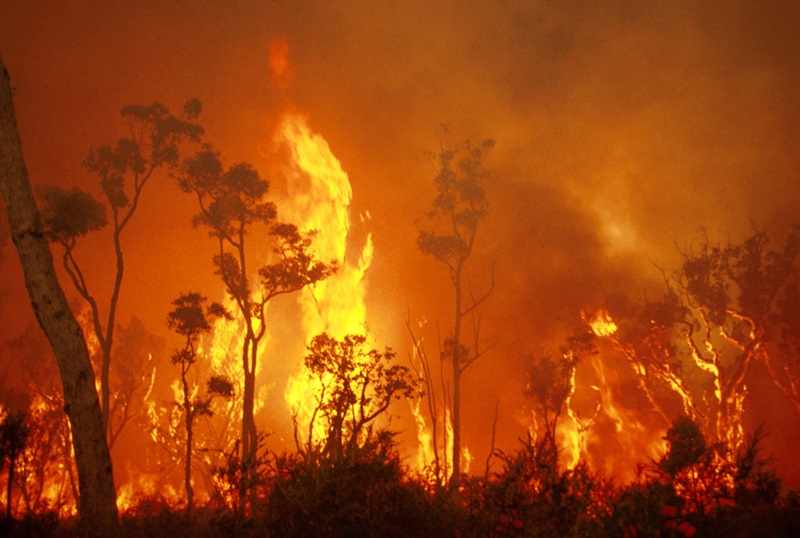
Area engagement and education act as fundamental pillars in establishing aggressive bushfire administration methods, preparing for the implementation of durable very early detection and caution systems. Early detection and caution systems are vital elements in alleviating the influence of bushfires on communities and the atmosphere. These systems encompass a variety of strategies and innovations targeted at identifying and informing authorities and locals to prospective fire break outs swiftly and efficiently.One trick aspect of early detection systems is using innovative tracking innovations such as satellite images, drones, and climate stations to spot signs of potential fire ignition. These innovations offer real-time information that can be evaluated to identify fire-prone areas and set off early cautions. Additionally, the combination of community-based surveillance networks and automated sharp systems can boost the effectiveness of very early detection efforts by involving citizens in reporting potential fire threats and obtaining timely cautions.
Reliable very early discovery and warning systems depend on a multi-faceted strategy that incorporates technical technology, community participation, and swift emergency response protocols to ensure the timely and collaborated management of bushfire cases. By buying these systems and promoting partnership between stakeholders, communities can boost their resilience to bushfires and lessen the involved risks.
Emergency Situation Reaction and Discharge Strategies
A comprehensive and well-coordinated emergency feedback and evacuation strategy is necessary for effectively protecting lives and property throughout bushfire events. These strategies must be meticulously crafted, taking right into account factors such as the topography of the location, the density of plant life, and the possible speed and instructions of the fire's spread.One essential aspect of an emergency situation action strategy is the establishment of clear communication networks to disseminate exact and timely information to locals and emergency situation -responders. This can consist of using sirens, mobile notifies, social networks, and community conferences to guarantee that every person is notified and knows what actions BAL Assessment to take.
Discharge courses need to be pre-identified and frequently kept to guarantee they are available during emergencies. Furthermore, assigned evacuation facilities should be established to provide shelter, medical support, and assistance solutions to evacuees.
Routine drills and workouts are vital to familiarize locals with discharge treatments and check the effectiveness of the plan. By constantly upgrading and reviewing emergency situation reaction and evacuation strategies, neighborhoods can improve their preparedness and durability in the face of bushfire threats.
Verdict
Finally, effective bushfire administration calls for a thorough approach that consists of danger evaluation, greenery administration, community interaction, very early discovery systems, and emergency situation feedback strategies. By implementing these ideal techniques, communities can much better secure themselves from the disastrous impacts of bushfires - Bushfire Risk. It is important to prioritize aggressive measures to alleviate the risks positioned by bushfires and guarantee the safety and well-being of people and communities at threatAfter conducting an extensive risk analysis and creating a thorough plan for bushfire administration, the focus moves to carrying out reliable vegetation administration approaches.Effective community engagement and education and learning are crucial elements in building a resilient and proactive method to bushfire administration. By entailing community participants in the planning and application of bushfire monitoring methods, stakeholders become energetic individuals in guarding their areas and homes.Community involvement and education and learning offer as foundational pillars in establishing proactive bushfire management methods, laying the foundation for the application of robust very early discovery and warning systems.In final thought, efficient bushfire monitoring calls for an extensive strategy that includes threat evaluation, greenery administration, neighborhood involvement, very early detection systems, and emergency action strategies.
Report this wiki page